- Get link
- X
- Other Apps
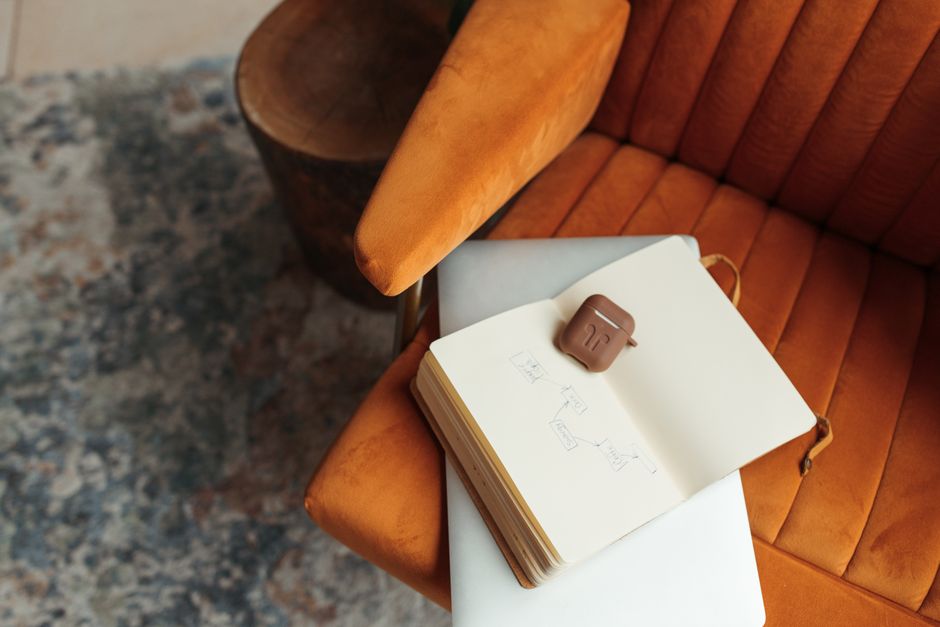
At the desk, the clock shows 8:15 PM, a small window of time before bed. The flashcard stack sits within reach, but the notes are scattered across different tabs and pages, making it hard to focus. You pull out your notebook, pen in hand, ready to dive back into drawing practice after a long day. However, the thought of flipping through multiple screens to find the right material is daunting. You know that review often turns into random scrolling, which eats up precious minutes you could spend sketching.
Before starting, it’s crucial to set up your workspace for efficiency. You open your notebook to a clean page, but if you don’t have a specific practice set pulled forward, the session risks drifting. This missed check can derail your focus, leading to frustration rather than productive practice. The goal is to eliminate distractions and create a clear path back into your drawing practice, allowing you to build momentum without unnecessary delays.
The Setup That Often Gets Overlooked
Your desk is now a cluttered canvas, with a notebook, pen, and a glass of water in easy reach. The flashcard stack sits nearby, but the notes you need for drawing practice are scattered across various tabs on your computer. This disarray can easily lead to a frustrating session where you find yourself scrolling instead of sketching. Before diving into practice, take a moment to pull one specific practice set forward from your notes, placing it on the desk alongside your notebook. This small action sets a clear focus for your session.
With your materials ready, set a timer for 25 minutes of uninterrupted practice. This not only helps to create a sense of urgency but also encourages a more intense focus. As you start, glance at your notebook to ensure that you have a clean page open, ready for notes or sketches. If you skip this step, you may end up wasting time flipping through pages, which can disrupt your flow. By preparing your workspace and establishing a dedicated time block, you create a structured environment that minimizes distractions, allowing you to fully engage with your drawing practice.
The Steps That Slip Through the Cracks
A slightly different version of this problem appears in Practical Life Skills Us, where the sequence changes but the hidden drag feels familiar.
Returning to your drawing practice after a long day can often feel overwhelming, especially when your notes are scattered across various tabs and pages. As you sit at your desk, the flashcard stack beside you serves as a reminder of the work ahead. To avoid the common pitfall of aimless scrolling, start by pulling out your notebook and flipping to a dedicated practice page.
- Gather all materials: notebook, pen, and flashcards.
- Review your previous notes for a quick refresh on techniques or concepts.
- Set a timer for 25 minutes to create a sense of urgency.
One often overlooked step is ensuring that your practice page is already prepared before you begin. If you skip this, you may find yourself wasting precious time flipping through pages, which disrupts your flow and pulls your attention away from the task at hand.
What Stops Us from Getting Started?
If this pattern keeps repeating, Learning New Skills As extends the idea without leaving the niche.
As you settle at your desk with your drawing materials, the flashcard stack looms beside you, a reminder of your intentions. However, the moment you open your laptop, a familiar urge to check social media or browse art forums can derail your focus. Instead of diving into your practice, you find yourself scrolling through endless posts, losing track of time.
Another common bottleneck emerges when your review materials are split across multiple tabs or pages. You might have a technique video open on one tab, your notes on another, and a reference image on yet another. This fragmentation leads to confusion, as you struggle to connect the dots between the resources. When you finally decide to begin, you realize you’ve wasted precious minutes just trying to locate the right information. To combat this, take a moment before your session to consolidate your materials: print out relevant notes or create a single document that includes all necessary references. This small adjustment can streamline your process and keep your attention anchored on the drawing task.
Before you start sketching, check that your practice page is ready. If you don’t have a specific page open, you may end up flipping through your notebook, which can lead to further distractions. Instead, set aside a few minutes to prepare your workspace: lay out your notebook, pen, and flashcards in an organized manner. This way, when your timer starts, you can jump right into your practice without unnecessary delays.
A Clearer Sequence for Your Practice Block
After a long day, returning to your drawing practice can feel daunting, especially when your notes are scattered across multiple tabs and pages. To streamline your re-entry, start by pulling one page of notes that highlights the key concepts you want to focus on. This single page can serve as your anchor, preventing you from drifting into random scrolling or getting lost in a sea of information.
Next, set your timer for a solid 20 minutes of focused drawing. This time frame is manageable and allows for a burst of productivity without feeling overwhelming. Before you start, ensure your workspace is organized: place your notebook, pen, and any flashcards neatly on your desk. When the timer begins, you can dive straight into your practice without the hassle of searching for materials.
By revising the order of your actions, you create a smoother transition back into drawing. Start with a quick review of your notes, then immediately set the timer, and finally, begin sketching. This sequence not only prepares your mind for the task ahead but also minimizes the chances of distractions.
What Runs More Smoothly After That
As you settle back into your drawing practice, the first noticeable change is the clarity of focus when you have your materials organized. Instead of flipping through multiple tabs or pages, you can glance at a single page in your notebook that outlines the key concepts. This not only saves time but also keeps your mind anchored to the task at hand, preventing the drift into random scrolling that often occurs when you’re overwhelmed by choices.
With your notes in front of you, take a moment to pull forward one specific practice set from your flashcard stack. Lay it flat on your desk, right next to your notebook and pen. This small adjustment means you’re not just reviewing concepts in isolation; you’re preparing to apply them immediately. The transition from review to practice feels seamless, as you can quickly reference your notes and then dive into sketching without fumbling around for materials.
Additionally, setting your timer for a focused 20-minute session becomes a natural next step. This structured approach not only helps manage your time but also creates a rhythm that encourages productivity. The improvement is subtle yet impactful: you spend less time getting ready and more time honing your skills, making your return to drawing feel both efficient and rewarding.
After a long day, the temptation to drift into random scrolling can easily sabotage your drawing practice. To counter this, make it a habit to prepare your workspace ahead of time. Place them all within arm's reach on your desk. This simple act not only clears the clutter but also sets a clear intention for your practice.
As you sit down, check that your notebook is open to the right page, ready for immediate use. This small adjustment creates a direct pathway from reviewing to practicing, eliminating any friction that might arise from searching for materials. When you have everything ready, set a timer for 20 minutes and dive in. This structured approach transforms your drawing practice into a focused, productive session, making it easier to regain momentum after a break.