- Get link
- X
- Other Apps
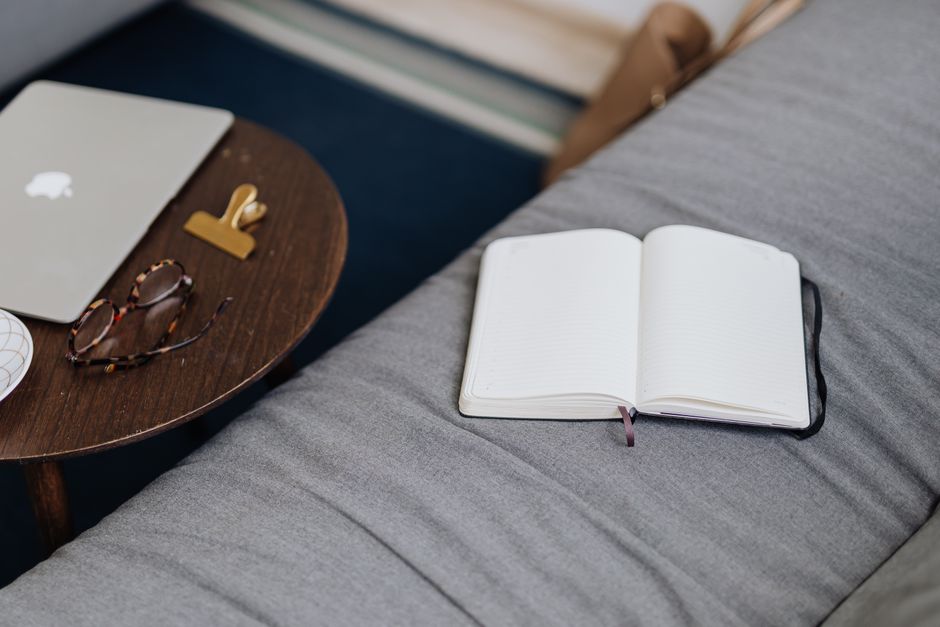
The familiar notebook lies open, filled with sketches and notes from previous drawing practice blocks. However, as they glance at the browser bookmarks bar, a wave of uncertainty washes over them. They had intended to review specific techniques but find their focus scattered across various tabs and documents. The task feels fuzzy, and instead of diving into a productive practice, they hesitate, unsure of where to start.
This moment of confusion stems from a disorganized review habit. The notes are accessible, yet the absence of a clear target makes it difficult to engage effectively. Without a straightforward plan to revisit a particular skill or concept, the practice session risks becoming too broad, leading to frustration. A simple check of the notebook to identify a specific drawing technique to refine could streamline their focus, transforming the session from a vague attempt into a targeted practice block. This small adjustment can make all the difference in maintaining momentum in their drawing journey.
The Expected Routine: A Smooth Start
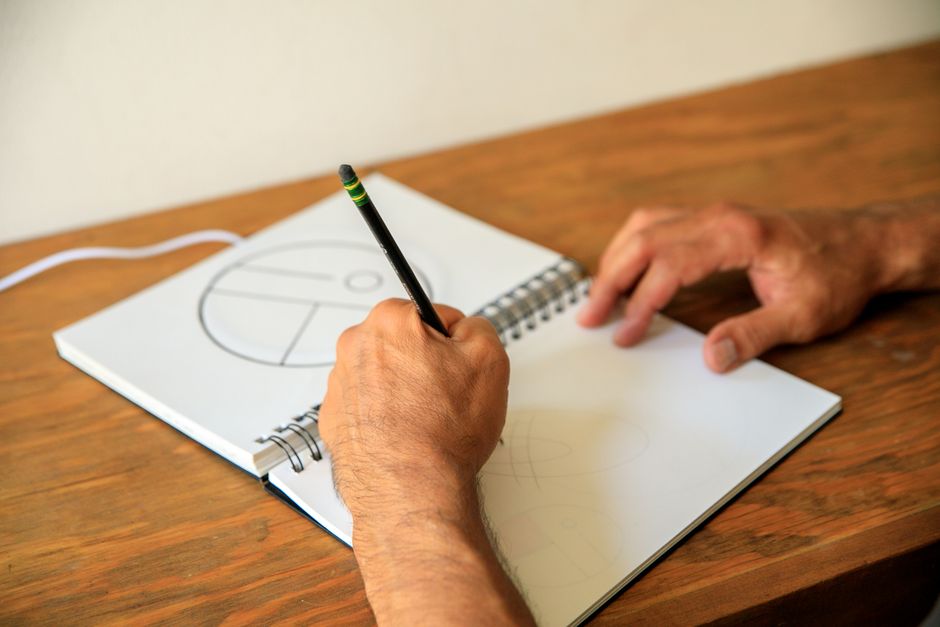
At the desk, a beginner artist sets the stage for a focused drawing practice. They gather all necessary materials: the sketchbook lies open, a fresh pen is ready, and reference images are pinned on the wall. This preparation creates a visual anchor, making it easier to dive into the session without wasting time searching for tools. The presence of everything in one spot signals readiness and reduces the friction that often derails practice.
Next, they set a timer for 30 minutes, a clear boundary that encourages focused effort. This simple action transforms the session into a dedicated practice block, eliminating the temptation to drift into distractions. With the timer ticking down, they can concentrate on a specific technique, such as shading or perspective, rather than flitting between various concepts. The act of checking the timer also serves as a mental cue, reinforcing the commitment to make this time productive.
However, if they skip the step of identifying a specific target, the practice can quickly become unfocused. Instead of honing in on a particular skill, they may find themselves overwhelmed by too many options, leading to a lack of progress. Therefore, before starting, they should open their notebook to a page where they’ve noted down specific techniques to work on. This small adjustment ensures that the session is not just a vague attempt at drawing but a targeted effort towards improvement.
Where the Breakdown Occurs: Too Many Sources
After a long day at work, the desk is cluttered with half-opened notebooks and a laptop displaying a myriad of tabs. Each tab holds reference images for a different drawing technique—shading, perspective, or anatomy. The intention is to dive back into practice, but the moment of opening the laptop reveals the first sign of drift: the overwhelming number of options. Instead of focusing on one technique, the beginner finds themselves scrolling through images, losing precious minutes that could be spent drawing.
As notes are scattered across various notebooks, locating the right information becomes a frustrating scavenger hunt. One notebook might contain sketches from previous sessions, while another holds written techniques. In this chaotic setup, a simple task like reviewing a specific shading method turns into a time-consuming search. The beginner might finally find the right page but only after wasting time flipping through pages or switching between apps, which disrupts their flow. This disorganization not only consumes time but also diminishes motivation, as the task feels fuzzy and unmanageable.
To counter this, a straightforward adjustment can make a significant difference. Before starting the session, the beginner should take a moment to close unnecessary tabs and open a single notebook dedicated to the current practice block. By placing it at the forefront, they can quickly reference their notes without the distraction of multiple sources. This focused approach not only streamlines the session but also reinforces the habit of returning to a specific skill, ensuring that practice remains targeted and productive.
This same friction shows up again in Learning New Skills As, especially when the day tightens unexpectedly.
A Simple Correction: Consolidate Your Materials
After a long day at work, sitting down at your desk to resume drawing practice can feel daunting, especially if your materials are scattered. Picture this: you open your laptop, only to be confronted by a cluttered bookmarks bar filled with links to various tutorials, reference images, and scattered notes. Instead of diving into practice, you find yourself lost in a digital maze, wasting precious time trying to locate the right resources. This disorganization can easily derail your focus and motivation.
To streamline your session, take a moment to gather everything into one dedicated notebook. This notebook should contain all your sketches, notes, and references, so you only need to flip through a few pages rather than toggling between multiple apps. For instance, if you're focusing on shading techniques, open to the section where you've compiled relevant notes and sketches. If you find that you’re still unsure about a specific method, use a timer to limit your review to just five minutes, ensuring you stay on track. This small adjustment can transform your practice block from a chaotic search into a focused session.
Additionally, consider using a single digital app to store all your reference images and notes. By consolidating everything into one folder, you eliminate the need to switch between different platforms. This way, when you sit down to practice, you can quickly access your materials without the distraction of multiple tabs.
The Aftermath: Easier Focus and Improved Flow
If this pattern keeps repeating, Practical Life Skills Us extends the idea without leaving the niche.
With the right notebook page open, the chaos of scattered notes fades away. Instead of wasting precious minutes hunting for the right reference or technique, a beginner can dive straight into practice. This transition from a disorganized setup to a streamlined one allows for a more focused session, especially after a long day at work when time is limited.
When returning to the desk, having a dedicated space with all materials in reach—like a pen, a timer, and the notebook—creates a conducive environment for learning. The act of flipping to the correct page not only saves time but also reduces the mental clutter that comes from toggling between various platforms. In the next practice block, instead of feeling fuzzy about what to work on, the beginner can set a specific review target, such as refining shading techniques for just ten minutes. This clear focus enhances retention, as the mind is less distracted by the need to search for information.
As the timer ticks down, the beginner can engage deeply with the material, sketching confidently and referencing their consolidated notes. The difference is palpable: each stroke feels intentional, and the flow of practice becomes smoother. This newfound clarity transforms the experience from a chaotic scramble into a rewarding session, making the next return to drawing even more inviting.
Returning to your drawing practice after a break can feel overwhelming, especially when your review materials are scattered across different notebooks or digital platforms. If you find yourself staring at a cluttered bookmarks bar or flipping through pages without a clear target, it’s easy to lose focus. Instead, open your dedicated drawing notebook to the last page you worked on, and take a moment to review your notes. This simple action grounds you in your previous practice and sets a clear intention for your next session.
As you settle in with your pen and timer, choose one specific aspect to refine, like practicing contour lines for ten minutes. By focusing on a single task, you can transform the chaotic feeling of disorganization into a productive and enjoyable drawing experience. Next time you sit down to practice, remember to open that notebook first and let it guide your session.