- Get link
- X
- Other Apps
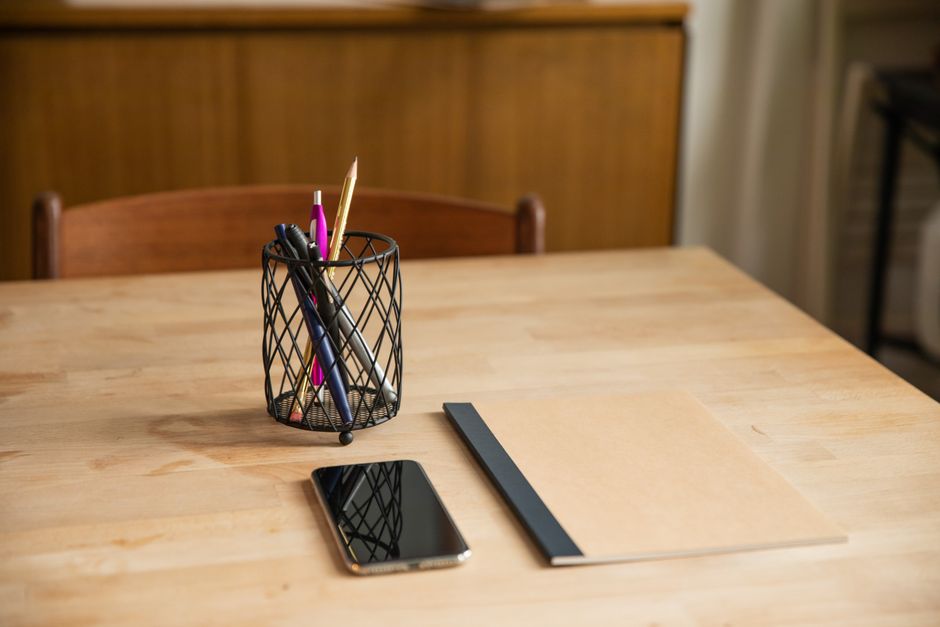
At the end of a long workday, the desk is cluttered with a notebook, a pen, and a phone that buzzes with notifications. The notebook lies open to a page filled with half-finished sketches and scattered notes, but as I sit down to practice drawing, the task feels fuzzy. I glance at the phone, its screen lighting up with messages, pulling my attention away from the drawing practice I had planned. This constant distraction makes it challenging to focus, and I often find myself scrolling instead of sketching.
Before starting, I need to establish a clear restart point in my notebook. I could draw a small marker in the margin to signal where I left off, but that simple action often slips my mind. Without this visual cue, I dive into the session without direction, leading to a frustrating practice block where I end up browsing instead of honing my skills. This missed check not only disrupts my flow but also blurs the line between productive practice and aimless browsing, leaving me feeling unfulfilled by the end of the session.
The First Step That Gets Skipped
The timer sits within arm's reach, ready to enforce my 30-minute practice block. Yet, I often find myself diving into this session without a clear plan, which leads to a frustrating cycle of indecision and distraction.
Before I even open my notebook, I need to gather all my materials. I start by placing the notebook directly in front of me, ensuring it's open to a fresh page. The pen goes right beside it, ready for action. Next, I set the timer for 30 minutes, a crucial step that defines the boundaries of my practice. If I skip this, I risk letting my mind wander, especially with my phone just a few inches away, tempting me with notifications.
After laying out my tools, I take a moment to mark my restart point in the notebook's margin. This visual cue is vital; it reminds me where I left off and prevents me from feeling fuzzy about my task. Once everything is in place, I can focus on the drawing practice instead of scrolling through social media. By following this straightforward sequence—gathering materials, setting the timer, and marking my restart point—I create a more structured environment that encourages productive practice.
Where the Routine Breaks Down
When I sit down at my desk after a long day, the first five minutes often dissolve into a frustrating haze. The phone, resting just inches away, buzzes with notifications that pull my attention away from the drawing practice I intended to start. This initial drift is a common snag, and it can derail my entire session.
Instead of diving right into drawing, I catch myself flipping through pages, trying to reacquaint myself with the concepts I noted down earlier. Each second spent reorienting feels like wasted time, especially when I know I have only a limited window to practice. A small but crucial detail often overlooked is marking a restart point in the notebook's margin. This simple action serves as a visual anchor, reminding me where I left off and what I need to focus on. Without that marker, I face the risk of losing momentum, making it even harder to regain my concentration.
As I struggle with distractions, I realize that the environment plays a significant role in this breakdown. The clutter on my desk, combined with the phone's proximity, creates a perfect storm for procrastination. I need to create a more structured setup before starting my practice. By placing my notebook directly in front of me, pen ready, and setting a timer for 30 minutes right away, I can curb the tendency to drift. This small adjustment not only defines my practice time but also helps to eliminate the distractions that threaten to derail me before I even begin.
Why This Friction Repeats
Returning to my drawing practice after a long workday often feels like a climb up a steep hill. The proximity of my phone, resting just inches away on the desk, is a constant reminder of the distractions that lurk nearby. This simple setup creates a temptation to browse instead of focusing on my sketches. When I sit down with my notebook open, the notes I took earlier are visible, but the task still feels fuzzy and undefined.
- Without a clear starting point, I find myself staring at the blank page, unsure of what to draw next.
- The phone’s notifications buzz softly, pulling my attention away from the practice block I intended to engage in.
- Mental fatigue from a long day at work makes it harder to shift gears; I often feel drained, which complicates the transition into a creative mindset.
This friction repeats because I neglect to mark a restart point in my notes, which would clarify where I left off. Instead, I end up wasting precious minutes trying to recall my last thought or idea. The clutter on my desk, coupled with the phone's presence, creates a perfect storm for procrastination. I realize that this environment, while familiar, isn’t conducive to focused practice.
A Simple Correction to Start Stronger
If this pattern keeps repeating, Practical Life Skills Us extends the idea without leaving the niche.
Before diving into a drawing session, take a moment to jot down your specific intention in the margin of your notebook. For instance, if you want to practice figure drawing, write down "5-minute poses" or "gesture sketches". This small act transforms a vague goal into a clear task, anchoring your focus and reducing the mental fog that often accompanies a post-work return to practice.
Next, set a timer for 25 minutes. This creates a structured practice block, allowing you to concentrate without distractions. As the timer counts down, keep your phone out of reach to minimize interruptions. You might feel tempted to check notifications, but with your notes open and a clear task in mind, you’ll find it easier to resist. This adjustment not only clarifies your objective but also establishes a boundary for your practice time, making it more likely you'll engage fully with your drawing.
Marking that restart point in your notes is essential. It serves as a visual cue for your brain, signaling that it’s time to switch gears. When you sit down at your desk, the act of writing down your intention alongside a timer sets the stage for a productive session. This simple correction can significantly reduce the friction that often derails practice, allowing you to transition smoothly from the day’s responsibilities into focused drawing time.
One Quick Checkpoint to Maintain Focus
This same friction shows up again in Learning New Skills As, especially when the day tightens unexpectedly.
Set your timer for five minutes and prepare to jot down a quick note on your progress. Position your notebook within easy reach on your desk, ensuring it’s open to the page where you’ve been sketching. This small act creates a visible checkpoint that reminds you to stay engaged with your drawing practice. Each time the timer goes off, pause to reflect and write down a few words about what you’ve been working on or any thoughts that arise.
By incorporating this simple note-taking habit, you can significantly reduce the urge to reach for your phone. Instead of scrolling through notifications, you’ll be prompted to refocus your attention on your drawing. This practice not only keeps your mind from drifting but also serves as a tangible reminder of your progress. As you glance at your notes, you’ll see a record of your thoughts and improvements, reinforcing your commitment to the task.
After the first five minutes, take a moment to write. This adjustment creates a rhythm that can transform your practice into a more structured and intentional experience. Your notes become a bridge, connecting the time spent sketching with your learning objectives, ensuring that each session feels purposeful rather than aimless.
What Changes Once That Fix Repeats
After marking your restart point in the notebook's margin, you might notice how the next practice block feels more aligned with your drawing goals. Instead of flipping through pages aimlessly, you can directly dive into the specific sketches or techniques you noted previously. The act of writing down your focus helps clear the mental fog that often clouds your evening sessions, especially when you’re tired after a long day at work.
This small commitment transforms the practice into a focused block rather than an open-ended browsing experience. With your notes in front of you, you can quickly refer back to your last drawing attempts. This not only reduces the time spent deciding what to work on but also reinforces your learning path. Each time you return to the notebook, you’re reminded of your previous efforts, making it easier to pick up where you left off.
As you sketch, keep your phone out of reach. The immediate availability of distractions can derail your focus, making it harder to stay on task. By creating this physical barrier, you’ll find it easier to immerse yourself in your practice. The next time you sit down to draw, the combination of your notes, a timer set, and the absence of your phone will create a more productive environment, allowing you to engage deeply with your work.
As you settle back into your drawing practice, remember to mark your restart point in the notebook's margin. This simple action creates a clear visual cue, helping you quickly identify where to begin without wasting time sifting through previous sketches. When you glance at the notes, the task ahead feels less fuzzy, providing a more defined path for your session.
Keep your phone out of reach to minimize distractions. By physically distancing yourself from potential interruptions, you can immerse yourself more fully in your drawing. The next time you sit down, check that your notes are open, your timer is set, and your phone is away. This setup will help you maintain focus and make your practice sessions more effective.
